
“My son was implicated in a crime and Ayres Law Firm got the case dismissed. What more could you ask for?”
J.A.


Waiting for action...
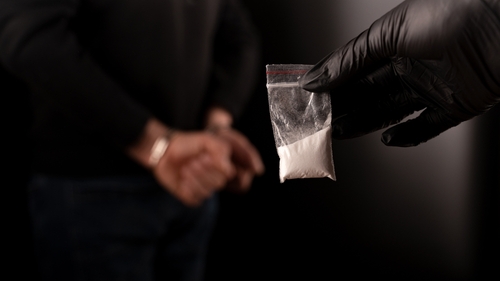
A drug possession charge in Draper can feel overwhelming, especially when you’re not sure what the charge means or what could happen next. Under Utah law, possession can be a misdemeanor or a felony depending on the substance and your history, and the outcome can affect your record, your job, and your future for years. Many cases, however, have options worth exploring, including challenging the evidence, reducing the charge, or resolving it without a conviction.
At Ayres Law Firm, attorney Tyler Ayres defends people charged with drug possession in Draper and along the Wasatch Front. We explain each stage of your case, help you understand your options, and prepare you for what comes next. Contact Ayres Law Firm at (801) 255-5555 for a free consultation.
Under Utah Code § 76-18-207, the State must prove you knowingly and intentionally possessed or used a controlled substance without lawful authorization, such as a valid prescription.
The charge level depends largely on the substance’s schedule and your prior convictions. Possession of a Schedule III, IV, or V substance, a listed controlled substance, or less than 100 pounds of marijuana is generally a class B misdemeanor.
A first or second possession conviction for a Schedule I or II substance, such as methamphetamine, cocaine, heroin, or fentanyl, is generally a class A misdemeanor. Prior possession offenses can increase a misdemeanor charge to a felony, depending on the substance, the number of qualifying convictions, and when the earlier offenses occurred. Possessing 100 pounds or more of marijuana is a second-degree felony.
We defend clients facing drug possession and related charges, including:
Penalties depend on the offense level. Under Utah’s general sentencing ranges, a class B misdemeanor carries up to six months in jail, and a class A misdemeanor carries up to 364 days. A third degree felony carries up to five years in prison, and a second degree felony carries one to 15 years.
Depending on the case, a sentence may also include fines, surcharges, probation, drug testing, or treatment. A conviction may also affect employment, housing, professional licensing, immigration status, and firearm rights.
Depending on your charges, history, and available programs, alternatives may include a plea in abeyance, diversion, or drug court. A plea in abeyance holds a guilty or no-contest plea while you complete agreed conditions, potentially allowing the charge to be dismissed or reduced. Diversion and drug court may also offer paths to dismissal or reduced charges, depending on the agreement or program.
A plea in abeyance can still count as a prior conviction for a later possession charge, even if the earlier charge was reduced or dismissed. To discuss which options may be available and what they could mean for your record, call Ayres Law Firm at (801) 255-5555.
A drug possession case generally involves these stages, although the sequence depends on the charges and circumstances:
These stages can overlap, and not every case follows the same path.
Utah offers several paths to expunge eligible drug possession records. If your case is dismissed or you’re acquitted, you may qualify to expunge the arrest and case records. Utah’s Clean Slate law also allows automatic expungement of certain misdemeanor records, generally after seven years for class A drug possession and six years for qualifying class B misdemeanors. Eligibility depends on your criminal history, payment of required financial obligations, and other statutory requirements.
Petition-based expungement may be available after five years for an eligible felony drug possession or class A misdemeanor conviction, or four years for a class B misdemeanor. These waiting periods generally begin after the latest of the case ending, release from incarceration, or completion of probation or parole. Considering expungement early can help you evaluate the long-term effects of a proposed resolution.
Every case is different, but common defenses include:
Ayres Law Firm brings more than two decades of criminal defense experience to helping people navigate charges in Draper and along the Wasatch Front. We take time to answer your questions, explain the decisions ahead, and develop a strategy based on your circumstances.
You can expect honest assessments and realistic expectations, not promises about outcomes. Contact Ayres Law Firm at (801) 255-5555 to discuss your drug possession charge and understand what is around the next corner.

